Blog
Healthcare Spotlight: The Role of Charities in Supporting Families with Disabled Children
16 Jul 2025
A complex or severe medical diagnosis given to any family can come as a shock and it can be difficult to understand and comprehend.
Whilst medical professionals are on hand to explain the needs and prognosis of a child’s condition, families are often left to navigate the emotional and practical challenges on their own. This is where charities supporting families with disabled children, like Harry’s Pals, play a vital role. We recently spoke with Harry’s Pal’s founder, Hayley Charlesworth about how the charity aims to support parents experiencing trauma and uncertainty from receiving a life-changing diagnosis for their seriously ill or disabled child.
Receiving a life-changing diagnosis
Harry’s Pals is named after Hayley’s son Harry, who was born 10 years ago. Whilst her pregnancy was smooth sailing, just one day after Harry was born, he began to have seizures, and an MRI scan revealed that Harry had had suffered strokes on both sides of his brain, leading to brain damage, a diagnosis of cerebral palsy, feeding problems and significant difficulties. Doctors explained he would require one-to-one care for life.
While Hayley and her partner were promised that support would be available for Harry in the form of dietitians, occupational therapists, and physios, there was no emotional support for them as parents. Instead Hayley and her partner were told to look online for emotional support available to them, which is when they realised that there was no charity offering that degree of support, in digesting the gravitas of this news. It was from this experience that Harry’s Pals was born in 2022, to fill this critical gap in support.
Why Emotional Support for Parents of Disabled Children Matters
Too often, parents are left to cope with devastating news alone. Harry’s Pals supports families that have children with life-limiting and life-threatening conditions and focuses on families within the first five years of receiving a diagnosis, offering help for a wide range of conditions, including HIE incidents, genetic disorders, and other severe or life-limiting disabilities.
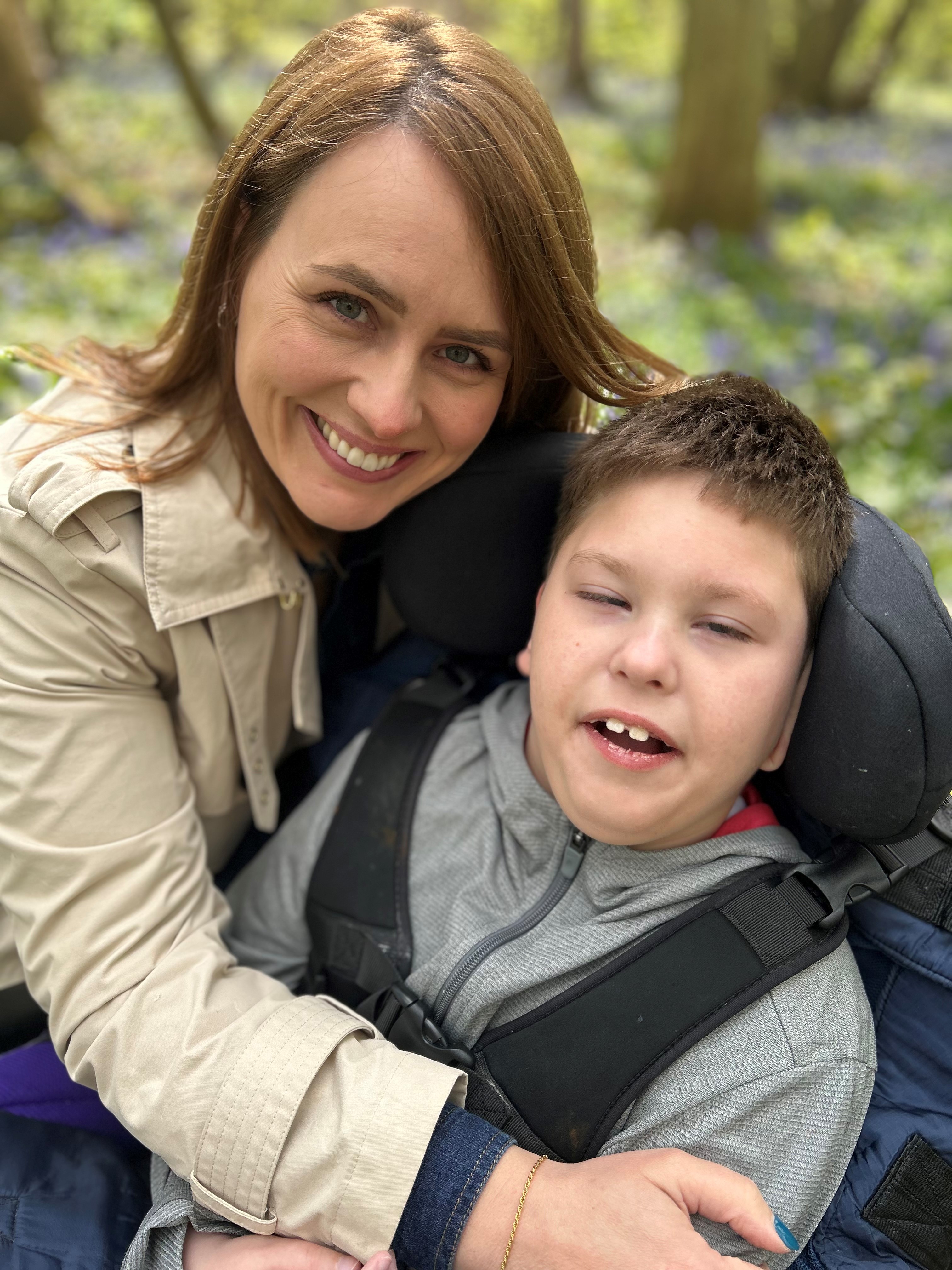
Hayley and her son Harry
Tailored emotional support for families
Families can apply for support by visiting Harry’s Pals application page and reviewing the support criteria. Basic information about a child’s illness and disability to give a clearer picture of the family’s needs, and then once approved, a representative contacts the family to discuss which of the following services would be most beneficial.
How Harry’s Pals Supports Families
1. Counselling and Trauma Therapy
Hayley highlights that many parents are dealing with post-traumatic stress and emotional overwhelm, “so for example, if the parent is waking up in the middle of the night and feeling panicked, not able to sleep, having constant flashbacks, then we would probably recommend trauma therapy. We have a number of different types of trauma therapists that are available to support families across the country, and that makes a huge difference.” As therapists are often carers themselves, they deeply understand the emotional strain of raising a disabled child.
- Peer Support
Connecting with other families in similar situations can be a lifeline. Peer support gives parents a safe space to share experiences, emotions, and coping strategies, helping them feel less alone. - Coping mechanisms
Harry’s Pals counsellors help families to understand the way that they are feeling. Quite often there are challenges and conflicting feelings and emotions, which Hayley explains can be seen in the form of “feeling angry or even resentful and guilty, so being able to speak to the right person is really important and that's what makes the difference. We are making sure each family are speaking to a professional who has some type of lived experience of being a parent carer.” - Short Breaks and Family Respite
Recognising the importance of rest and reconnection, Harry’s Pals provides fully accessible short breaks for families. These holidays are tailored to meet medical and mobility needs, ensuring a safe and enjoyable experience for everyone — including siblings. This includes providing accommodation with hoists, profile beds, shower trays, or wheelchair access if needed, but ultimately, Hayley explains that “we want to make it really fun too — not just supportive. A break the whole family can look forward to.”
Bridging the Gap: Charities and Healthcare Partnerships
Partnerships within the medical profession are essential for families and children to access what is needed. As Tree of Hope know all too well, the NHS cannot provide all services, and this is where smaller charities and organisations play a significant role, in being able to bridge the gap.
Harry’s Pals works closely with hospitals, hospices, and other charities, helping medical professionals signpost parents to emotional support. Hayley explained that the charity’s presence at events, such as a recent paediatric physio conference in Birmingham, helps raise awareness among frontline health workers, and was also “a really nice opportunity for those physios to be able to identify parents that might need that emotional support”.
Real Impact: Transforming Lives Through Emotional Support
Hayley has experienced first-hand the improvement of families who have accessed emotional support through Harry’s Pals. Parents who initially reach out to Harry’s Pals often feel desperate, isolated, and emotionally exhausted, however, after receiving tailored support — whether through therapy, peer groups, or a short break — many report a profound transformation. They gain coping mechanisms, clarity, and renewed strength to support their child. As Hayley explains, “we’ve seen families come back from the edge. They feel lighter, more supported, and better equipped to manage what lies ahead.”
Improving Access to Support in the Healthcare System
One of the key takeaways that Hayley has found it that there is the need for better signposting within the healthcare system at an early stage of a diagnosis. Early intervention, including referrals to specialist charities, organisations and peer support networks, can prevent long-term emotional harm. Parents are their child’s primary advocate and carer — but to do that, they need support too.
How to Access Support from Harry’s Pals
If you or someone you know is facing the emotional impact of a difficult diagnosis, Harry’s Pals is here to help. Visit harryspals.co.uk to learn more and complete their application form.