Blog
Healthcare & Family Spotlight: What you should know about Learning Disabilities
18 Jun 2025
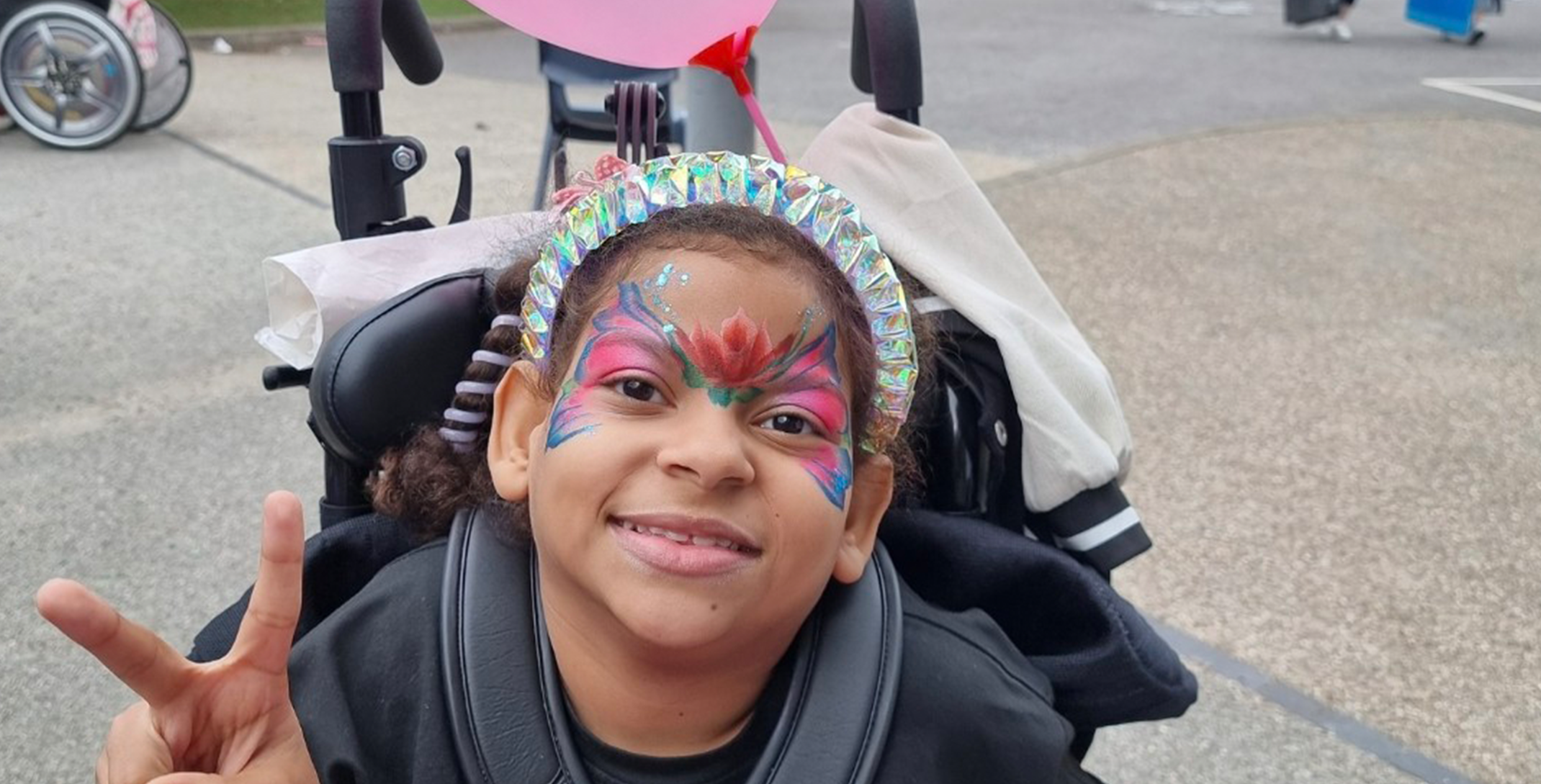
Learning Disabilities week starts on 16th and concludes on 22nd June, and is hugely important in raising awareness of the daily ups and downs of life with a learning disability.
To shine a light on this, the theme of this week is “Do you see me” to highlight the importance of ensuring that all people with a learning disability are seen, heard, included and valued in all aspects of life, whether that be within education, society, or even future ambitions.
So, what is a learning disability?
A learning disability is usually identified in the early years and affects a person throughout their life.
Learning disabilities are incredibly unique to each person, meaning that each and every person are different, however, each person with a learning disability has a reduced intellectual ability, and the way that they learn new things are affected by their disability.
Some people might find learning new skills challenging, have difficulty in understanding information, or more severely, may need constant help in all aspects of life, including communicating, personal care and staying safe.
What are the differences between a learning disability and a learning difficulty?
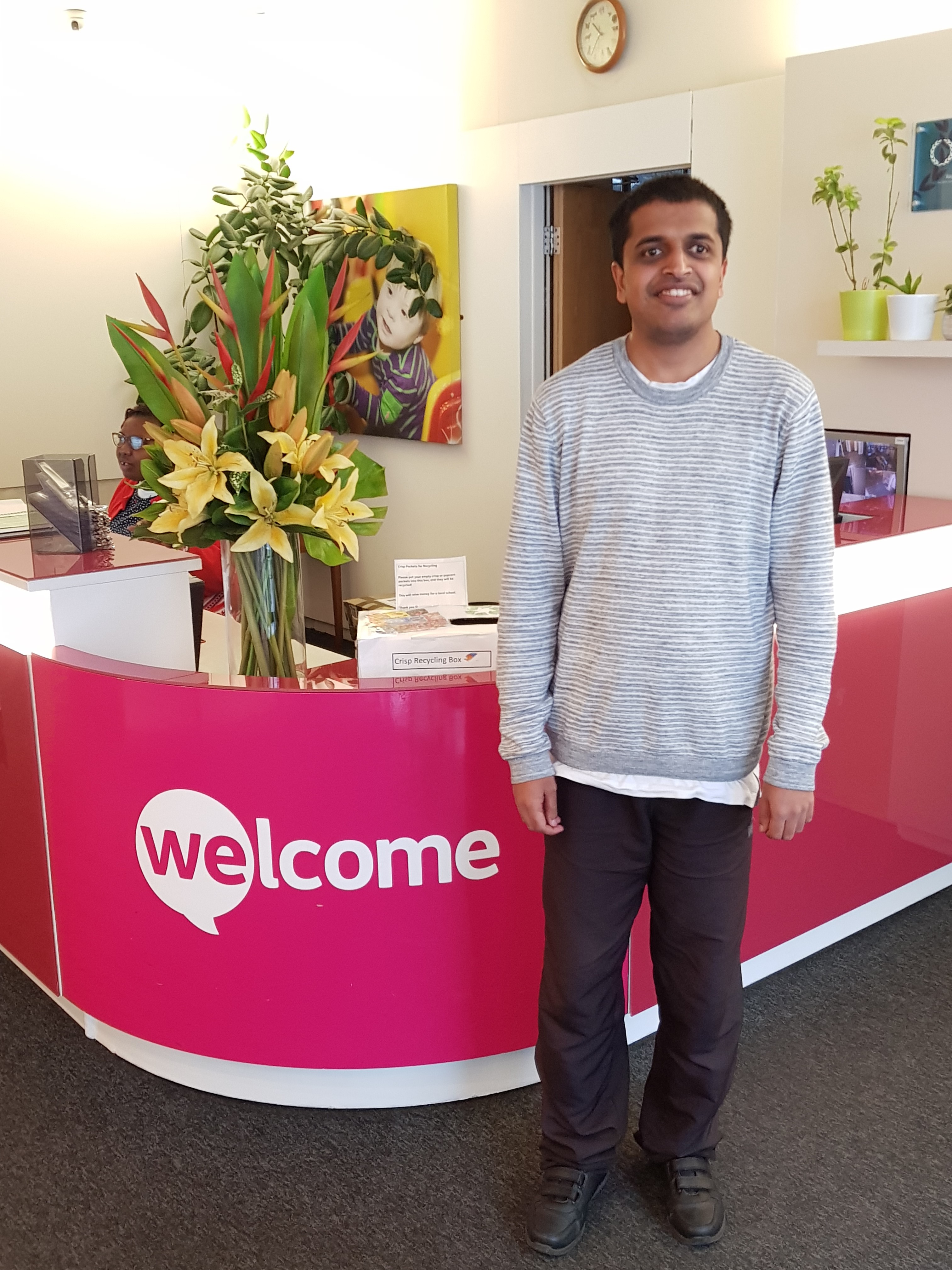
We spoke to Vijay Patel, campaign officer at the UK’s leading learning disability charity, Mencap who told us that “people can get confused a lot about what a learning disability is, such as when they think a learning disability is a learning difficulty, which is not true. A learning disability is a lifelong condition that affects you for your whole life from when you’re born, and there’s no cure. A learning difficulty, for example, is to do with ADHD and dyslexia.”
Another misconception is when others think people with learning disabilities can’t have relationships, get a job, travel, socialise (like playing sports or going to a pub) – this is not true, because everyone can have that and we should not be discriminated for who we are. We are just human beings, just like everyone else.
Campaign Officer at Mencap
A learning disability is different from a learning difficulty. Here are the main differences:
Learning Disability:
- A neurologically-based condition
- Life-long condition
- More severe and persistent
- Reduced intellectual abilities
- Difficulties with everyday activities
Learning Difficulty:
- A broader term for any learning challenges
- Doesn’t affect general intellect
- May be temporary or situational
- Sometimes milder and easier to manage
How can I support someone with a Learning Disability?
It is important to stress that people with a learning disability are still able to develop new skills throughout their lives. With the correct support, a more inclusive community and minor life modifications, people with a learning disability have every chance of thriving and forging their own fulfilling future.
If your child has a Learning Disability, there are ways in which you can adapt to help them succeed and flourish in life. Here are some suggestions
Tailored learning
Everyone with a learning disability learns differently, so learn more about your child’s learning preferences and tailor their learning to suit their needs. This could be through visual aids, communication devices and assistive technology, or even sensory play and hands-on experiences.
Focus on strengths
Don’t think about what your child can’t do, but instead encourage them to explore and expand on their strengths, whether it’s their creativity, ways of communicating, their hobbies and interests, or the way that they solve problems.
Inclusive environments
Find environments, communities and learning spaces which embrace diversity. With the help of some of the charities listed below, you can immerse yourself in an inclusive lifestyle which caters to neurodiversity.
Encourage Self-Advocacy
If your child has a learning disability, you will be their biggest advocate in ensuring that they have the best support possible, but try to empower your child’s self-advocacy, to ensure that their needs are met in all circumstances, to promote independence, self-esteem and confidence.
What interventions best support children with learning disabilities?
As all individuals are unique in their journey, it is hard to list everything that will support a child with a learning disability, however, there are many interventions which can help a child thrive and enhance their strengths. Here are some ideas to consider:
- Assistive technology: Communication devices can ensure that a child has a voice, it can build confidence, increase inclusivity and support learning
- Therapies: Therapies including physiotherapy, speech and language, occupational, play, or music therapy can help a child to develop and improve on life-changing skills. Consistent sessions can help ensure that skills are built upon and not lost, and can set a child up with new and advanced opportunities, which they may not have experienced without intervention.
- Sensory aids and adaptations: Toys, equipment or lighting can help to regulate, stimulate or promote brain activity which can have a huge affect on both motor skill development, and therapeutic regulation.
How can I raise funds to support a child with a Learning Disability?
Tree of Hope can assist in the fundraising for Assistive technologies, therapies and sensory aids, so please do fill in this contact form if you’d like some information on how to start your fundraising journey, or if you have any further queries about supporting a child with a learning disability.
Family Spotlight: Jasmine's life with a Learning Disability
We spoke to Julie and Joel Bravo, mum and dad to Jasmine, who has a learning disability, and a rare genetic condition called Methylmalonic Acidemia (MMA), which has affected her muscles and brain. Jasmine’s family are fundraising with Tree of Hope for a Mollii Suit for Jasmine, which will help to reprogramme and relax her muscles over time and significantly improve her quality of life.
Despite her health complications, Julie tells us that “Jasmine is a very happy jolly child. You never really see her sad. She's very much an adventurous and she also has her own little personality of demanding where to go, so like dictating the whole day of how it's planned. She loves school so much, and gets upset if she misses school, even for a hospital appointment. She just loves life, that’s the best way to put it”.
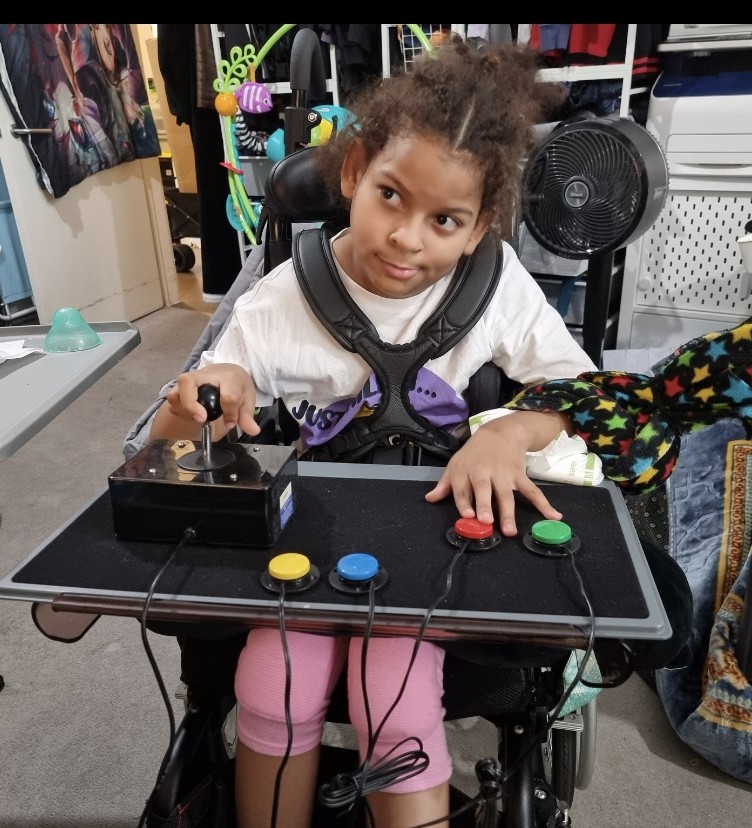
Being diagnosed with a rare genetic condition
Jasmine’s condition, MMA is rare, genetic metabolic disorder which affects the breakdown of proteins in the body, causing build ups of harmful substances in the blood and tissue; these build ups can then lead to organs and muscles being attacked, affecting mobility and functionality. Jasmine has to be on a very low protein diet, and everything she eats needs to be monitored by her family, to ensure that she’s getting the correct nutritional values.
On top of this, Jasmine’s immune system is weak, meaning that a standard cold for some, can turn into a serious medical episode for Jasmine, resulting in a hospital stay, and on occasion, lead to Jasmine being placed in an induced coma. Mum, Julie admits that this is one of the hardest part about the condition for Jasmine. However, she is extremely resilient and her happy and determined spirit is what makes her such a special young lady. Julie says that “she's always trying to do something new, always trying to push beyond the boundaries of what people say she might not be able to do. They had said that she might not talk, but she’s there now!”
How specialist equipment can help improve quality of life
Jasmine trialled a Mollii Suit, which was an instant hit and something she knew she needed to get for herself. The Mollii Suit, Julie describes, “looks like a scuba diving suit, is very stretchy, and has touch pads down the arms and legs. She would need to wear it for an hour a day for two to three weeks and then it'll be reduced to maybe every other day and then you decrease it further.”
The gentle electrical stimulations helps to adjust and almost re-programme the brain in preparation for therapy sessions, helps to adjust muscle tone and activity, and can reduce pain symptoms too. Julie found that Jasmine no longer needed her wheelchair harness after trialling the suit, and “she was able to put out both arms on her wheelchair and looked at me and said ‘mum, I need this suit’.”
The Mollii suit, unfortunately, is not available on the NHS, and to purchase outright, it costs £5,800, which is why Jasmine’s family came to Tree of Hope to begin their fundraising journey.
What should you know about people living with a learning disability?
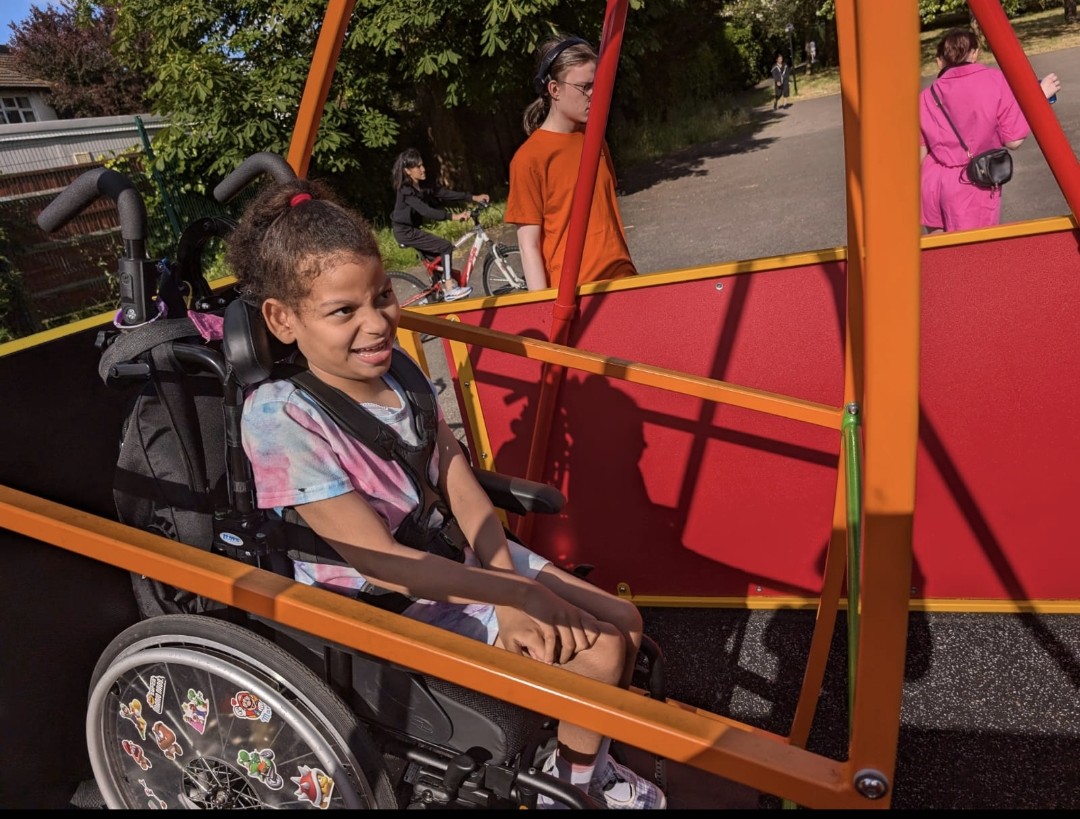
“I'd probably say the best thing I would say is don't judge a book by its cover. Just because you see Jasmine in a wheelchair, it doesn't mean she can't communicate. I have a lot of people think that because they see her irregular motions, they think ‘okay she can't talk’, but when they've gone over and they've asked me how she is, my response is ‘ask her!’ Go to her, because she can talk! When they do ask her, they're surprised with the whole conversation, that she will tell you her life story; it will take her time, and I always tell people to just be patient with people with disabilities, but just go to the person first and ask them. They want to feel included in that aspect.”
Jasmine's mum
Focusing on fun and inclusion for children with learning disabilities
Dad, Joel adds that he finds it important to “just keep Jasmine happy. She makes the whole process easier because she actually accepts the way that she is: she knows about everything she can and can’t do, but as long as we keep her happy, she's alright with it.” Both parents agree that “being included is a big thing for her, but there just needs to be a little bit more access to things for people with disabilities, but it helps when we can find different ways to adapt to things that we normally can do.”
Support Jasmine's fundraising campaign here https://www.treeofhope.org.uk/get-involved/childrens-campaigns/jasmine-bravo/
Additional support:
Mencap – https://www.mencap.org.uk/
Action for Children - https://www.actionforchildren.org.uk/
ACE Centre https://acecentre.org.uk/
Scope - https://www.scope.org.uk/
CAMHS Learning Disability Teams (Regional)
Local Authority SEND Services
Local Family Information Services
Resources include:
Mencap https://www.mencap.org.uk/
NHS Learning Disability - https://www.nhs.uk/conditions/learning-disabilities/